Home Safety Preparedness
Did you know that a fire can go from a hazard to life-threatening in just minutes? If a fire starts while you’re asleep, you need to get out fast.
According to the National Fire Protection Association, 25% of home fire deaths start in the bedroom.
Here’s how to fireproof your bedroom and home:
1. Practice Fire Drills
- Despite over 1 million residential fires each year, only one-third of households have a fire escape plan.
- Schedule two fire drills each year, and make one at night.
- Practice escaping quickly — every second counts.
- Try practicing with your eyes closed or a bandana over your head in case smoke makes it too dark.
- Practice crawling low to the ground if smoke fills the room.
- Before opening a door, touch the doorknob. If it’s hot, use another escape route.
- If you cannot escape:
- Hang a sheet out the window to signal firefighters.
- Call 911 and describe your location from the outside of the house.
- Keep the window closed until firefighters arrive to prevent drawing in flames.
- Make sure your windows can open easily — check for paint or rust that could trap you.
- Practice “Stop, Drop, and Roll” in case clothing catches fire. Remember to cover your face.
2. Maintain Smoke & Carbon Monoxide Alarms
- Install smoke alarms in every room, especially bedrooms and hallways.
- Smoke alarms cut the risk of dying in a fire by half.
- Choose alarms with sealed 10-year lithium batteries. If you have hard-wired alarms, add battery-powered backups.
- Test alarms monthly and clean dust from them.
- Replace batteries annually (unless sealed). Replace the entire unit every 10 years.
- Need a smoke detector? Call the Norfolk Volunteer Fire Department at 860-542-5021 to request one.
- Install carbon monoxide alarms outside bedrooms. Carbon monoxide is odorless, colorless, and deadly.
- Mount CO alarms on walls or outlets (the gas mixes evenly with air, so height is not critical).
3. Keep a Fire Extinguisher Handy
- Place an ABC-rated fire extinguisher near bedrooms — not just in the kitchen.
- Check the gauge yearly; replace if not fully charged.
- Learn how to use it. Practice the motions during drills (without squeezing).
4. Remove Fire Hazards
Don’t overload power strips. Check adapters, chargers, and plugs regularly — they can overheat and spark fires.
Avoid candles and space heaters in bedrooms.
Never smoke in bed.
Do not run electrical cords under rugs.
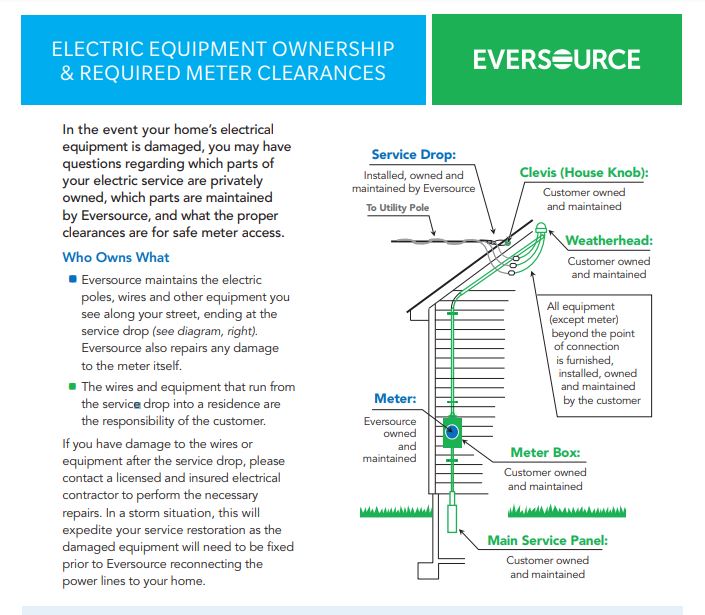
Inspect wires and replace frayed or damaged ones.
Have older home wiring inspected by a professional.